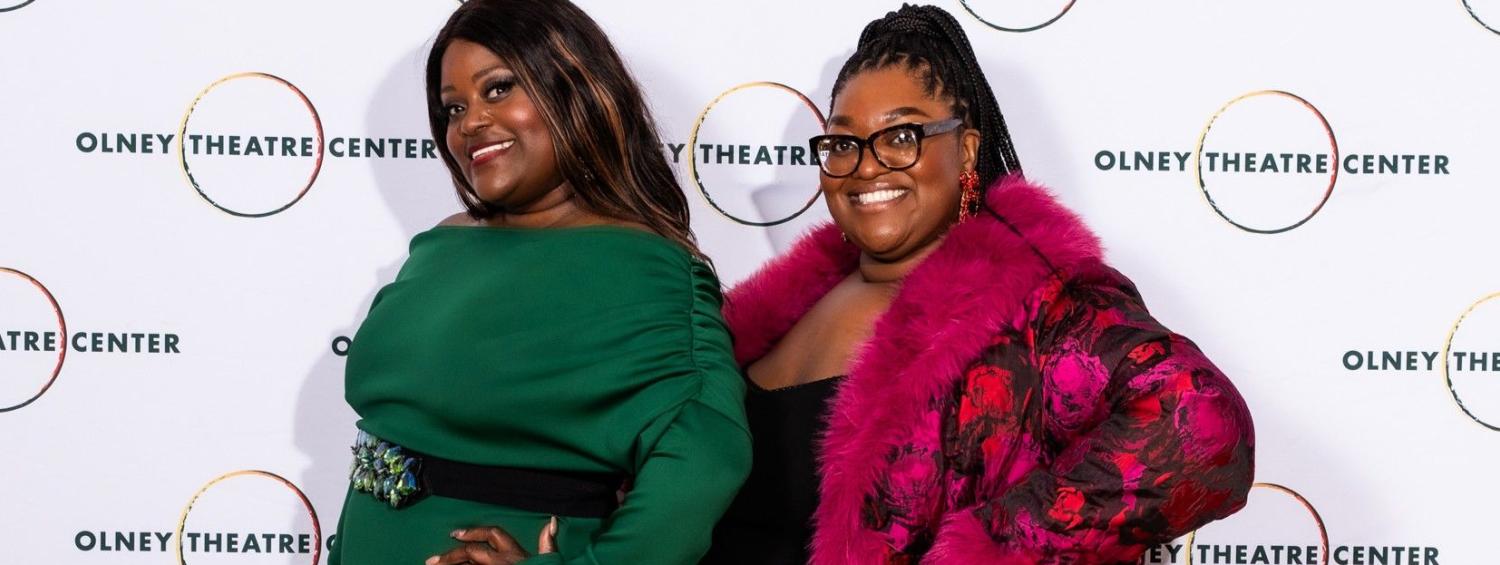
Costume Designer Paris Francesca talks about her process of co-costuming Hello, Dolly!
How did you get your start in theatre, and what drew you to costume design?
Growing up, I performed a lot. My parents are both musicians. In middle school and high school, I started acting in shows. I used to dance, so I got really into choreography. But then I was like, what about the costumes? I always loved fashion, and I always loved clothes. When I was in high school, I was still in the shows, I was helping choreograph, but then I started helping with the costumes, and I thought I could see myself doing that full-time. So I went to college, where I majored in technical theater at Hampton University. I had a concentration in costume and design. So I did costumes, wigs, and makeup. What was great about our program is that it's smaller, so when I got there, they were doing their fall show and asked me if I wanted to style it. So I just hopped it and did it!
Hello, Dolly! was a co-costume design between you and Julie Cray Leong. How does that work?
This is my first time co-designing, so it was very different, but I did like it! For this show, I designed every costume built for the show. For this show, it was for our principals, Dolly, Irene, and Horace. The idea was to come in and design Dolly first, and then everything else will be designed to support Dolly, so Dolly's really the star. So it really started with talking to Kevin. I love working with Kevin because he always has these insane ideas, just something that you just didn't think of. He was like, I really want Dolly to be different. You can do animal prints, you can do African prints, you can do whatever you want to do. He’s giving me some inspo there. I just immediately started researching. My biggest thing was, how can I create Dolly to make her look like she could be in this world, she could be in the 1890s. But she is fashion-forward, she's a bit ahead of her time, and she plays by her own rules. So, how can I mix some of these modern style things with everything that was popular then? I decided I'm gonna stick pretty true to the silhouette, because I feel like the silhouette says a lot, and with the fabric type. I can get really fun with, like, prints and things and all that, but I need to stay true to what was popular then. So I was looking at brocades and that kind of thing.
What is the process of designing a show as a Costume Designer?
For me, when I come into a project, I like to talk to the director and hear their vision. What is the very top? I want to know my parameters and how crazy I get. And then after that, it's coming to that first meeting and seeing where scenic design is at? Because for me, that's the start of our world-building. Then I'm thinking, how could I complement that so that our actors look amazing on the set and everything feels cohesive? I always think in color. When I see the set and what colors we’re thinking about, I'm thinking about what can complement; that's when I come up with the colors.
Of course, I read the script, I read the script so many times. And then, at the same time, I'm researching the setting, the time period, what was in fashion-wise, what was even in before and after that, so I can get a feel for exactly what's happening. With shows in this time period, you really have to understand the classes. If they had a lot of money, what kind of fabrics would they wear? If they didn't, they're working people, so what would they look like?
And then I go, okay, I have all this information. What can I do? I look at how many changes there are and figure out where all those things have to fit, and then I literally start sketching. I tell everybody I get a lot of my ideas when I'm sleeping. I know it sounds so crazy, but I really do.
From there, I turn in rough drafts, and rough drafts are literally just sketches, like pencil sketches. I start looking at fabrics, and I turn those in to give the director an idea of where I'm going. We talk about what we think works, what we think doesn't work, and what we think we should tweak, and then from there, I take all of that information and work on my final renderings. It's not just me and Kevin, seeing it. It's everybody in the meeting. So everyone has thoughts, and everyone is working on their own design element. So I have to take all of those things into consideration to make sure that our show looks cohesive.
Then I meet with the shop to make sure the design is achievable, and they start making mock-ups. Mock-ups are just the costumes you see, but made in muslin, so they're a cheaper fabric, so we can see the silhouette and some of the bigger features. The actors come in and try those on, and then we'll make tweaks from there. So when I see the mock-ups, I try to make changes and edits before we get to the fabric. And then we cut the fabric. We go for a couple more fittings where the actors are trying on the actual garments, and then we have a completed costume.
What was your concept for the costumes of Hello, Dolly!?
Like I said, we started with Dolly. And the goal was that we don’t want to do it exactly the way that we've always seen it. Our show is different. We have a Black Dolly, so we wanted to talk about what that means for the costumes. How does that look different? How are Dolly’s costumes indicative of a Black woman? What would they include? Wouldn't they include? How would they be different? How would they be the same? So it was a lot of that in trying to figure that out.
I talk to Kevin about who this woman is. Well, she works. She's a matchmaker, and she meddles. She does everything. We can play up those kinds of things that they would say we're masculine, like pants.
We talked through her arc, how her costumes would progress, and what that says about her. I think that Dolly is Dolly the entire show. I think, though, when Dolly decides, I want a man, she's trying to show out. When she came out in her second look, everyone was like, that could have been a finale dress!
We wanted to keep that energy going through all of her looks, even her parade look. We added some shine to that. We were like, how can we make it a little quirkier? She's going to a parade, so she needs to be able to move and look like she's outside. But what can we do? So it was like maintaining that quirkiness throughout, so we added that big bow and lined the hat with gold fabric.
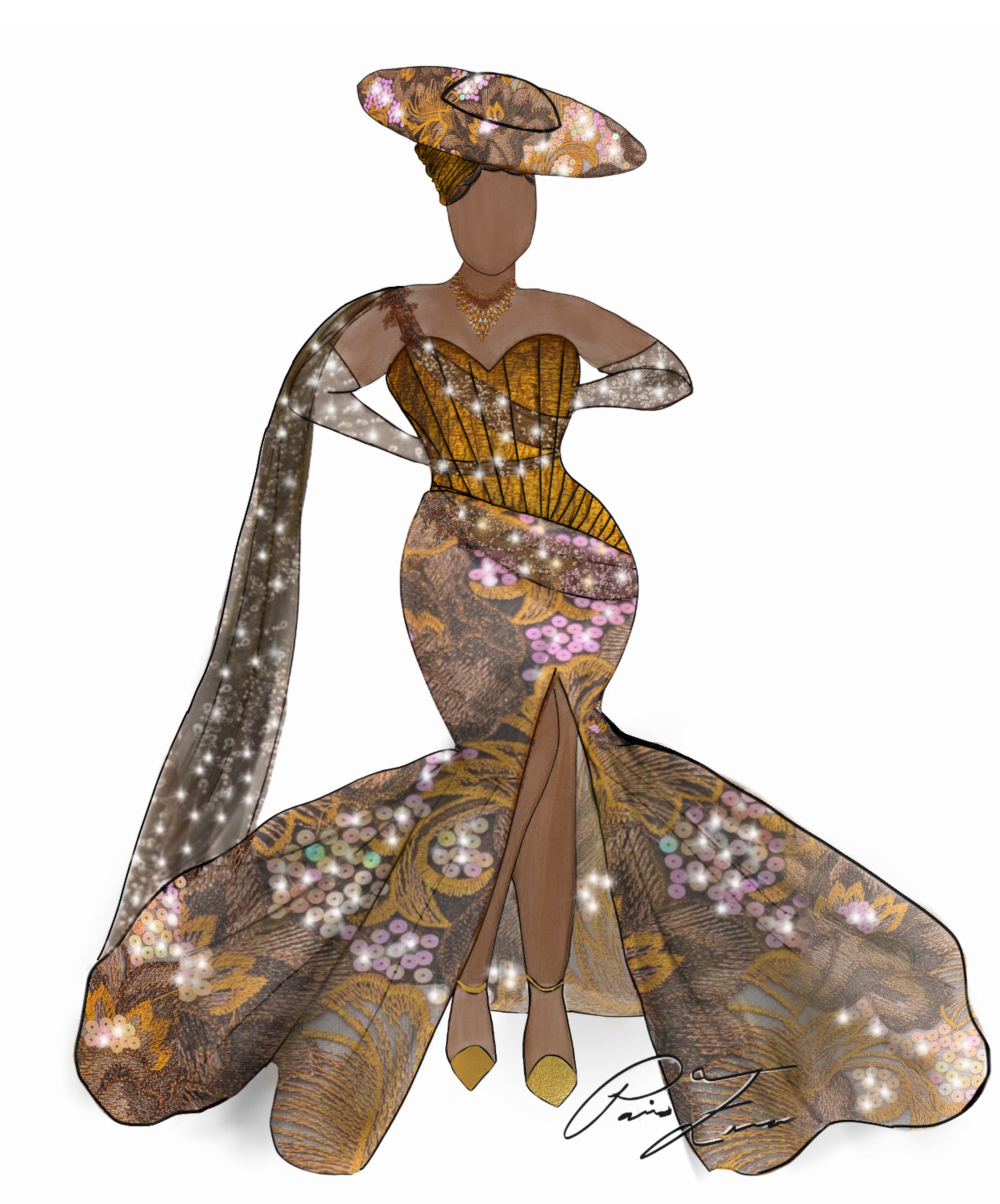
Obviously, we all see that she's a chocolate woman throughout the show, but for Harmonia Gardens, when she comes out for “Hello Dolly!” we wanted that moment to be like: Hello, I'm here, and I'm Black if you forgot. That was a big thing, but how can we achieve that? We talked about potentially going all the way into Ankara Fabrics, which are those African fabrics, but I felt like it was too on the nose, and there are so many other things that we wear, especially West African people wear, for like celebratory moments. So that is how we got to this African lace that is like the bottom of her dress and her hat. Her hat is a mix of a 1890s fascinator and an African Gele. Before this, there was the Tignon Law that happened in New Orleans, where they told Black women they couldn't show their hair, so they covered it up and wore these epic hats and things, and they looked fabulous. I felt like this was a cool moment to do that, and it worked with where we were going for the show.
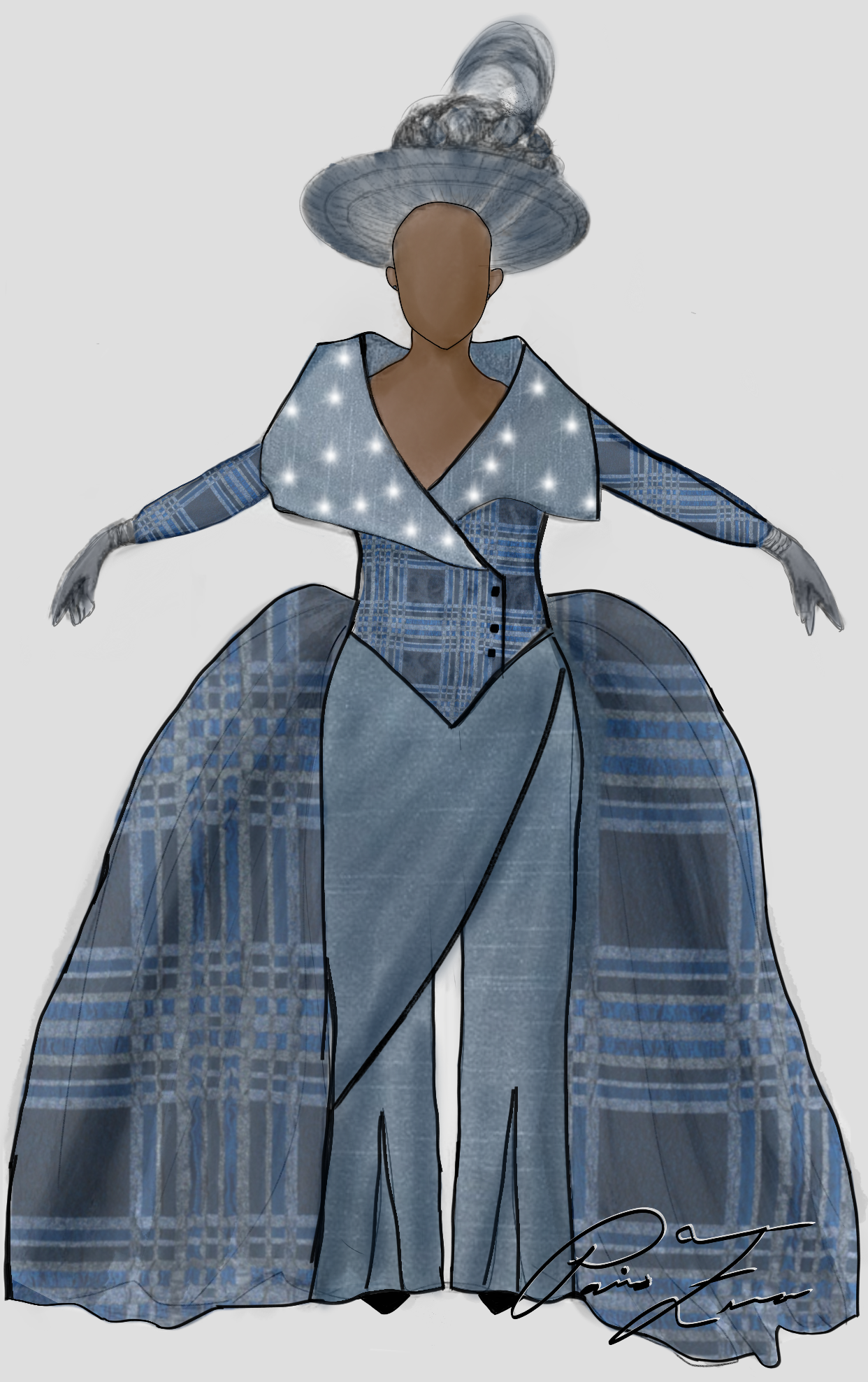
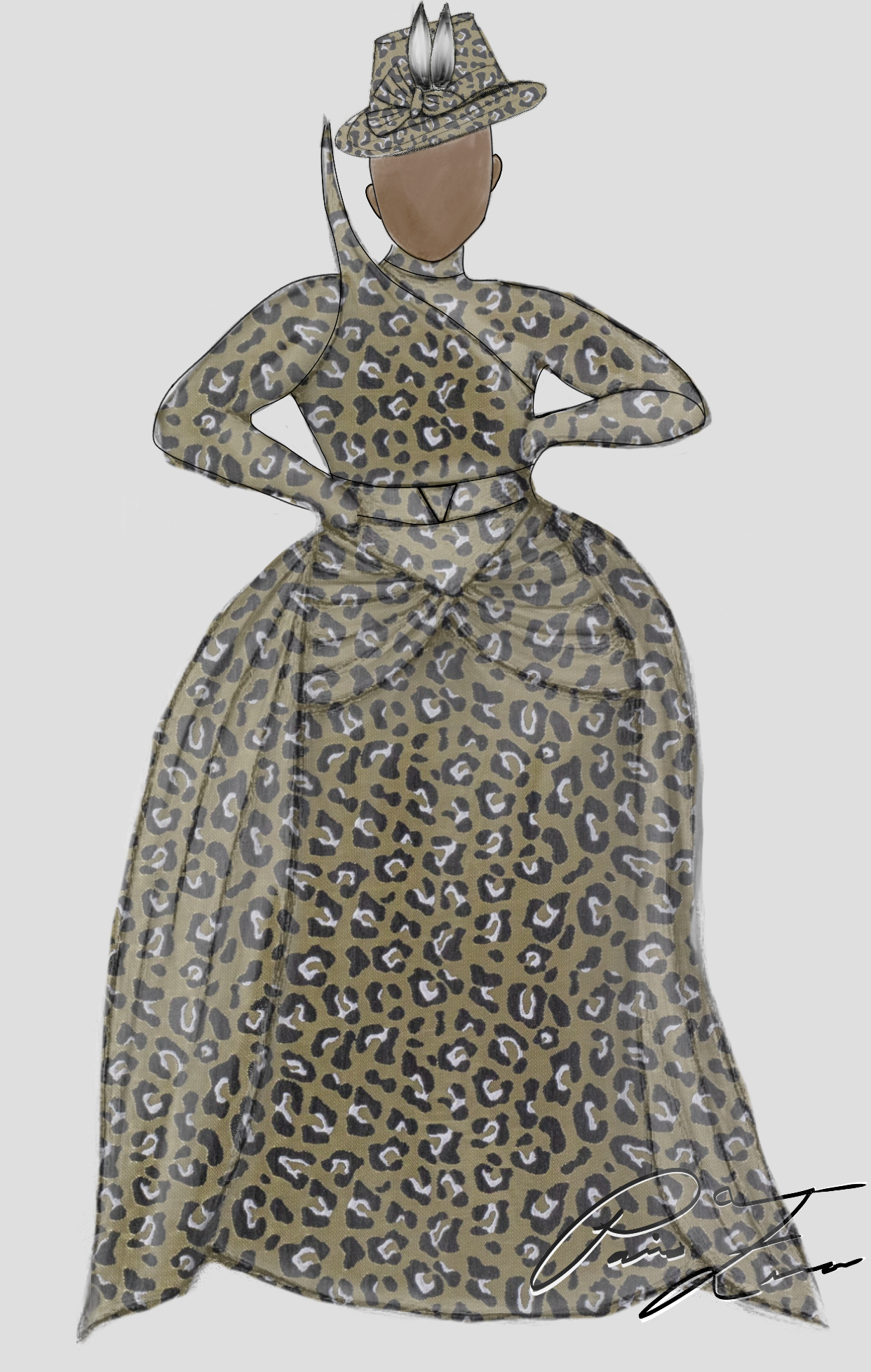
Everyone was expecting that dress to be red, and Kevin really wanted it not to be what you expect, so that is how we got to our red look later on. We talked about potentially having that somewhere else, but we landed with it there, and we decided to make it like a burlesque moment with that giant boa. I’m pretty sure it was 24 feet of boa.
Coming off of that, we wanted to maintain Dolly and all her glory, so even when she goes to visit the feed store, she's still in this fun metallic purple. In looking at Scenic, it's a lot of purply pink, and this is really the only moment we see her in purple, and I feel like she's most herself.
At the end, we wanted a play on a wedding dress, but we wanted it to be also a little quirky, a little fun, a little different. So that's how we got our giant bow with polka dots. We're doing a different Dolly, so let's just lean all the way in.
Is it hard to design a show that is that well-known? Did you take any inspiration from any version of Dolly?
It presents different challenges because, of course, people have expectations going in. But I think after my second conversation with Kevin, it was just like, we're just gonna do what we're gonna do. Once we decided that, I was just like, I'm just going to go for it. I'm just going to do it. If people like it, they like it; if they don't, they don't, but we want to do something that we are proud of. I don't want to say it's not scary, but it's like a tiny but. When we get to opening, I'm like, oh, God, she's coming out in pants, she's wearing cheetah.
And I did look at other versions of Dolly, to really just look at the way that other people interpreted her as a character. I thought about how I could maintain some of those things and other things I would change. The only things we were really married to were that she was over the top and larger than life. In all the iterations of Dolly, she kind of peacocks, so I did want to maintain that for sure. I did watch some clips from the Pearl Bailey version, which was fabulous. I think the biggest thing was just maintaining her over-the-top and larger-than-life demeanor.
What else inspired you for Dolly’s costumes?
I kept thinking, who is super fabulous? That’s how I got to Barbie. I love Barbie. She's every woman, and she's all the things. And I love Barbie throughout the years, especially Hollywood Barbie or 50s Barbie. I like the super-narrow waist and the hourglass look. She has a lot of looks where she’s in crisp plaid. She has a lot of those womanly features, large details, and things that I really wanted. In the 1890s, there was a lot of fluff and ruffles. So Barbie was something I was really inspired by. Making Dolly feel fashion-forward will just mean leaning into super bold statements, like the giant bow. Another inspiration was Eartha Kitt in the leopard print photo when she's posing with the leopard. I thought she looked powerful and amazing, and liked that she was taking up space. The white dress with the black and white stripes that Audrey Hepburn wears in My Fair Lady. You will definitely see some of that inspiration in the finale gown.
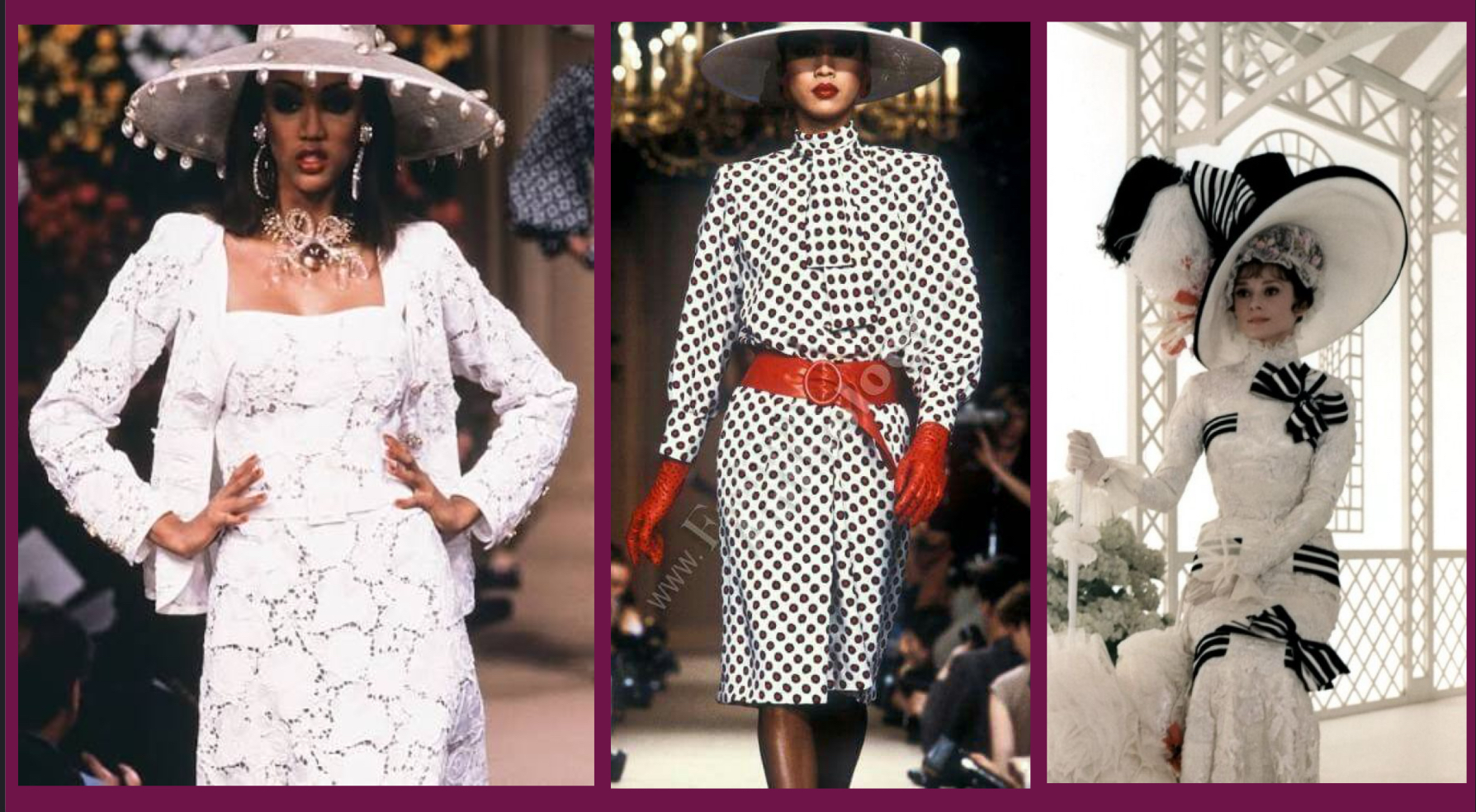
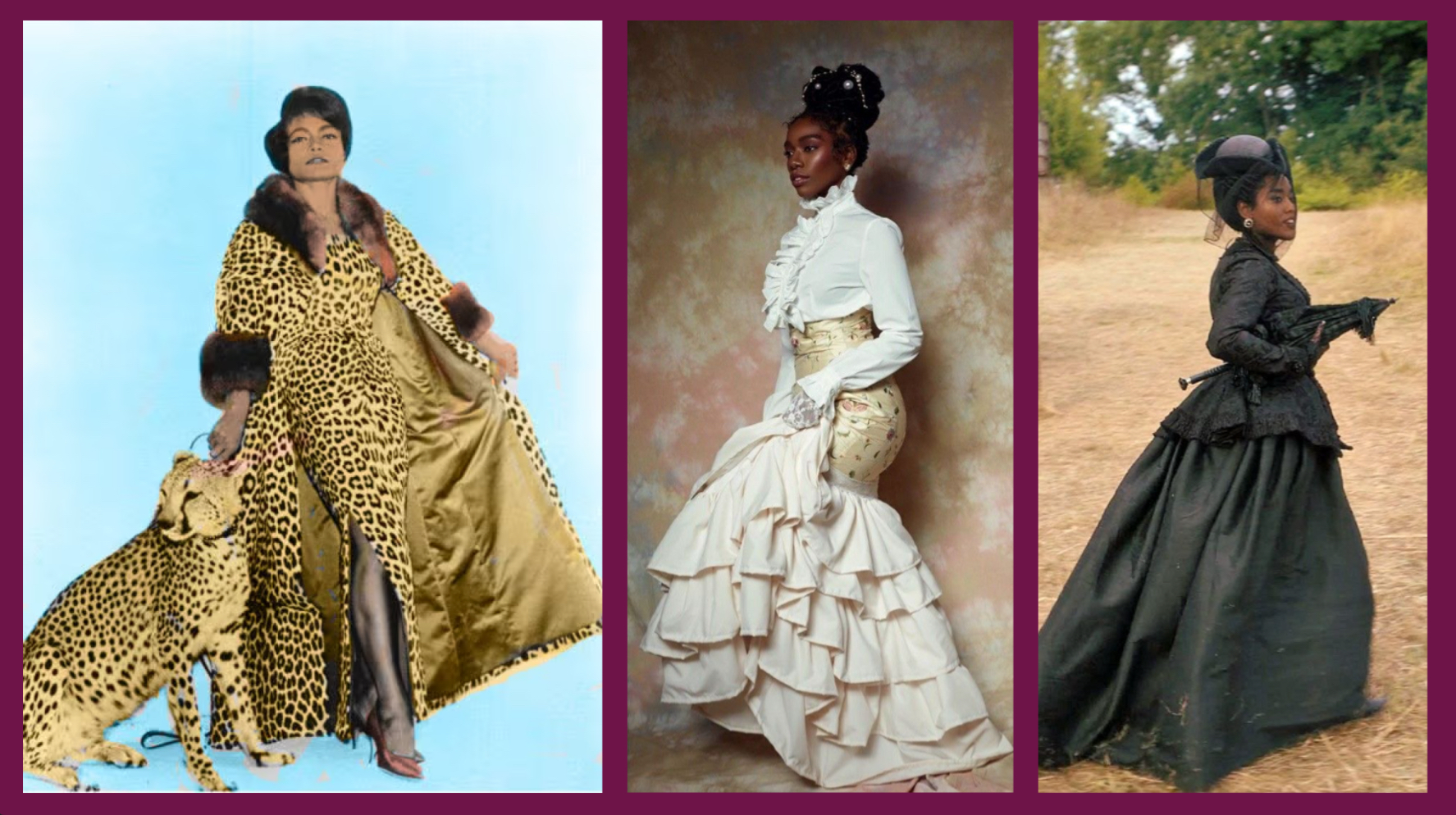
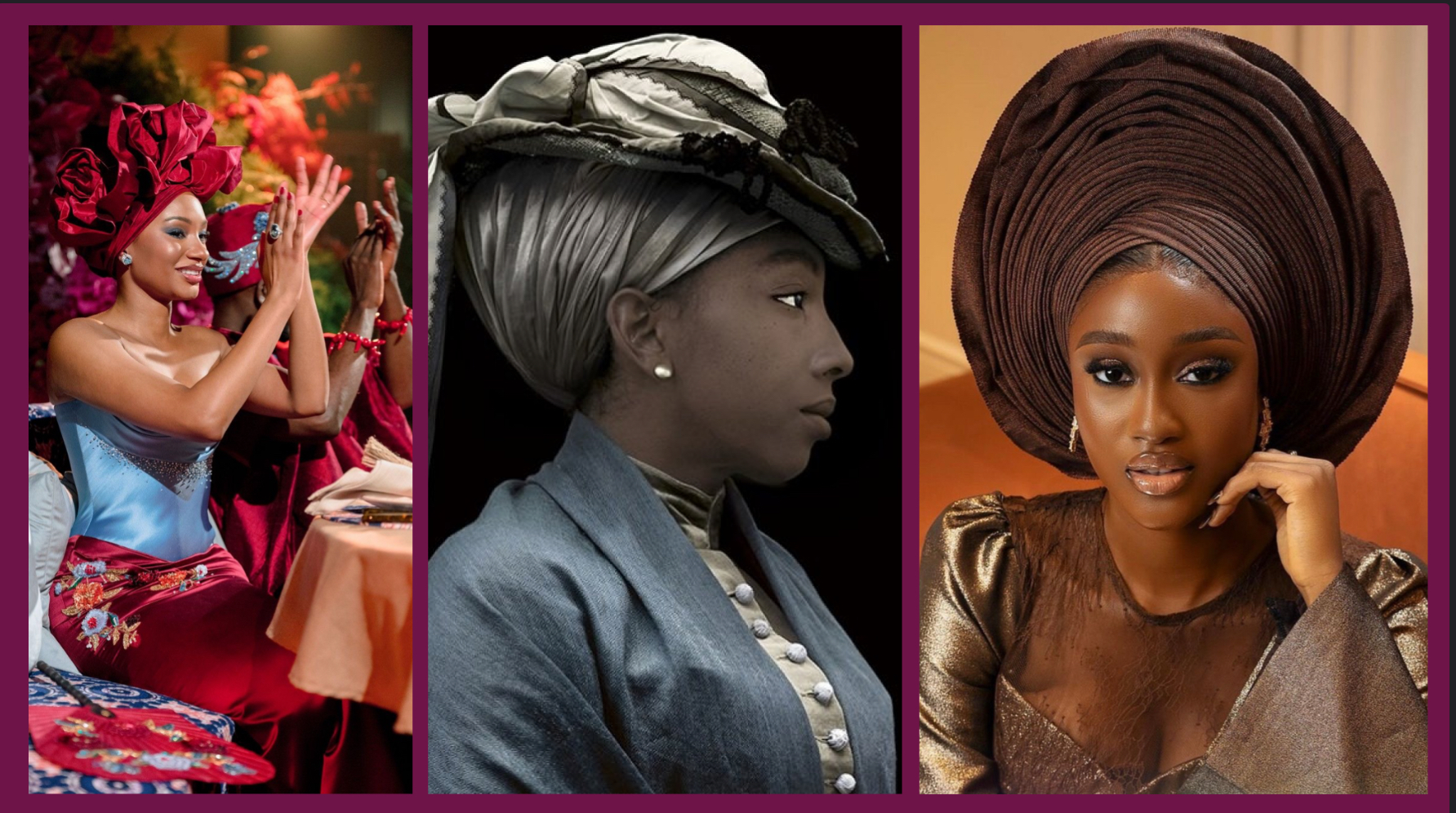
How did you decide when to stay true to the period versus when to push the boundaries?
For Dolly, I don't think I ever was totally, completely true to the period. I think the only one that gets close is the parade look. But Irene Molloy is the quintessential 1890s woman. She is period-appropriate throughout the show, and that is just who she is. For Horace, it is a similar thing. He is straightforward and almost anti-everything. He's just like, I'm just going to wear what I wear. Throughout, you do see him soften up a little bit, like in Harmonia Gardens. I wanted Dolly to look like she had influenced him a bit, like she was rubbing off on him, so he kind of stepped outside the 1890s with his sparkle on his shoulder and cuff. This is a moment where we can bring him into her world for a little bit.
Box Office: 301.924.3400
Open Wednesday - Sunday: 12:00 PM - 6:00 PM